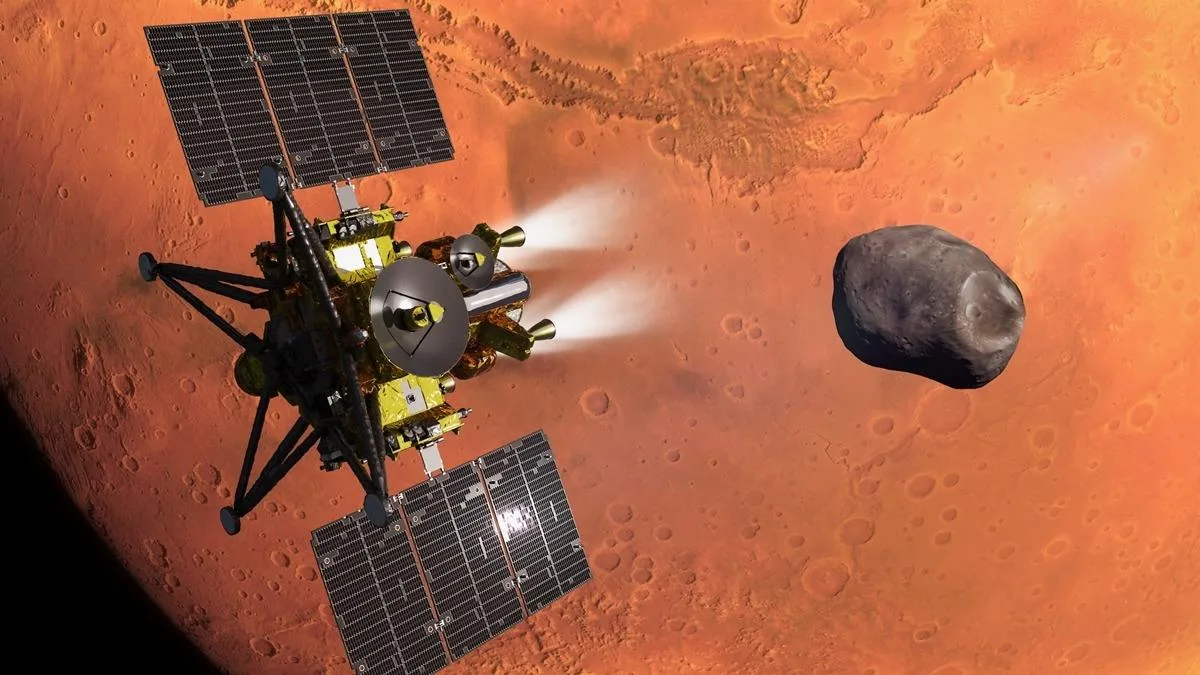

Tokyo is preparing one of the most ambitious exploration missions ever aimed at Mars' moons, in the hope of finding clues about the early Solar System and how life first took hold on Earth.
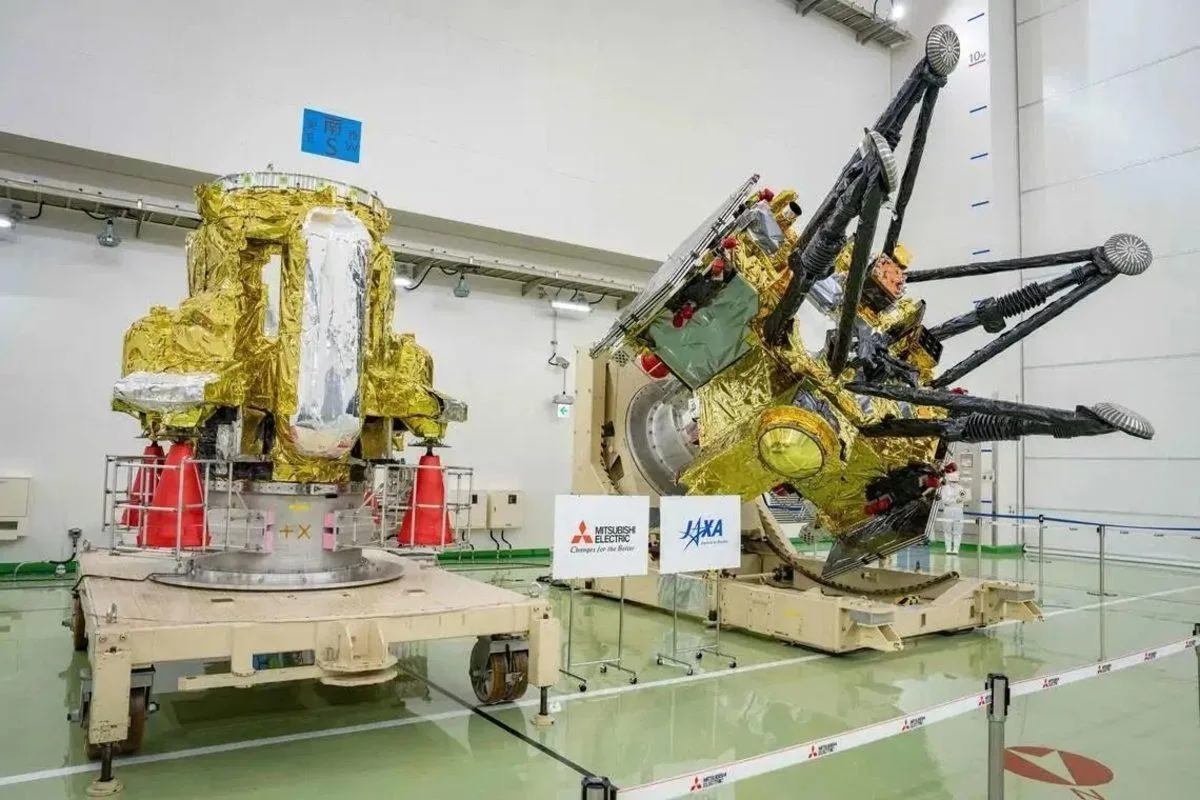
The journey, entirely uncrewed, is designed to travel to the Mars region and back. If it achieves its goal, it will be recorded as an unprecedented achievement in space history. The project, called Martian Moons eXploration (MMX), is taking shape with contributions from space agencies in the United States and Europe, along with numerous universities and technology companies. It is also expected to provide infrastructure for future missions that will send humans to Mars.
Course set for Phobos
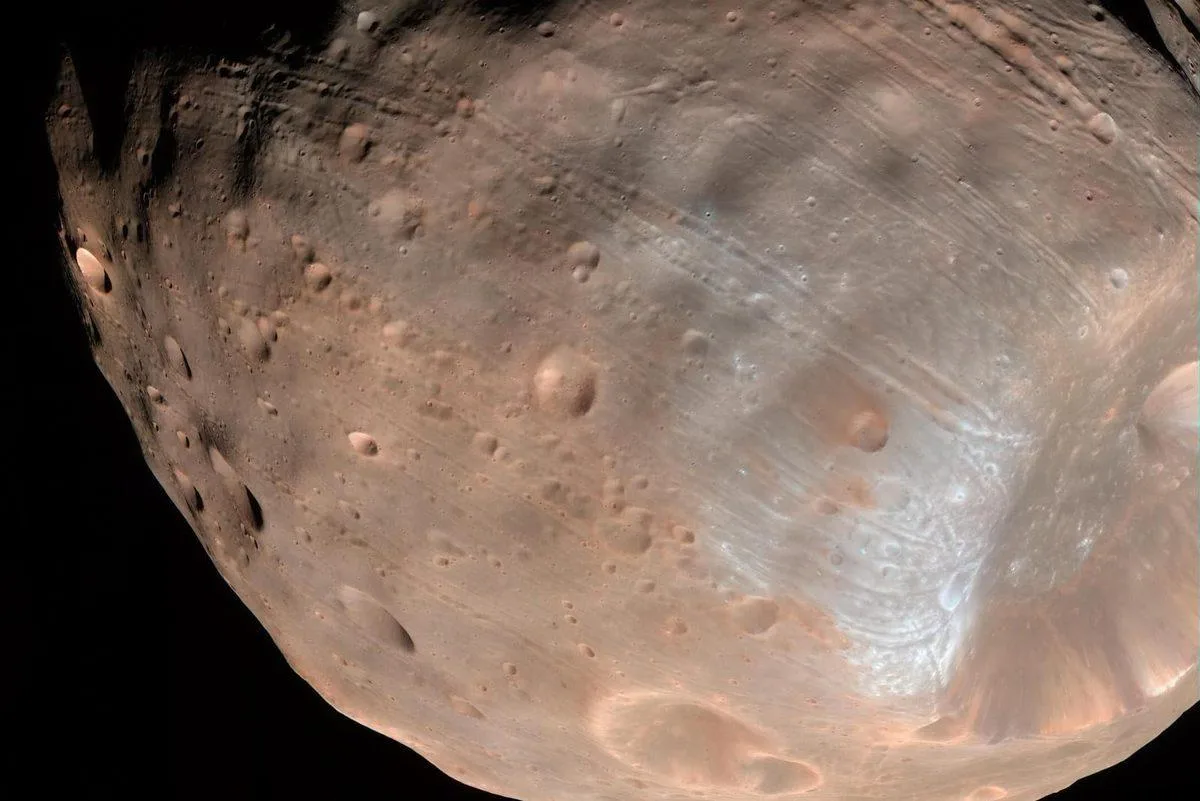
According to the plan outlined by the Japan Aerospace Exploration Agency (JAXA), the H3 rocket carrying the MMX spacecraft will lift off from the Tanegashima Space Center. The journey to Mars' vicinity is expected to take about a year. The spacecraft will then spend an observation period of up to three years around Phobos.
Before touching down on the surface, the IDEFIX rover — named after the loyal dog of the comic book character Asterix — will identify suitable areas for a safe landing. MMX will then descend to the moon's surface and collect a sample weighing at least 10 grams.
Mission project manager Yasuhiro Kawakatsu told AFP: "Sampling from Phobos will be a world first; moreover, this mission will also be the first operation to make a round trip to the Mars system."
Mars' other moon, Deimos, will also be observed, though no landing there is planned. JAXA will also investigate whether Phobos could serve as a "natural space station" for crewed Mars missions.
The samples hold the secret of two rival theories
The origin of Mars' moons is the central question of the exploration. Researchers are debating two scenarios: one holds that the moons formed when a massive object struck Mars; the other argues they are asteroids captured by the planet's gravity.
Determining which scenario is correct will shed light on how habitable conditions took shape on the rocky planets of the inner Solar System.
Patrick Michel, a French astrophysicist on the IDEFIX team, emphasized that MMX will reveal the pathways by which water, volatile compounds and organic matter were transferred from the outer Solar System to the inner planets. Michel's assessment: "If Phobos and Deimos are remnants of these early delivery systems, they may hold critical clues about the transfer of the fundamental building blocks that enabled life to emerge on rocky planets."



Comments (0)
No comments yet. Be the first!