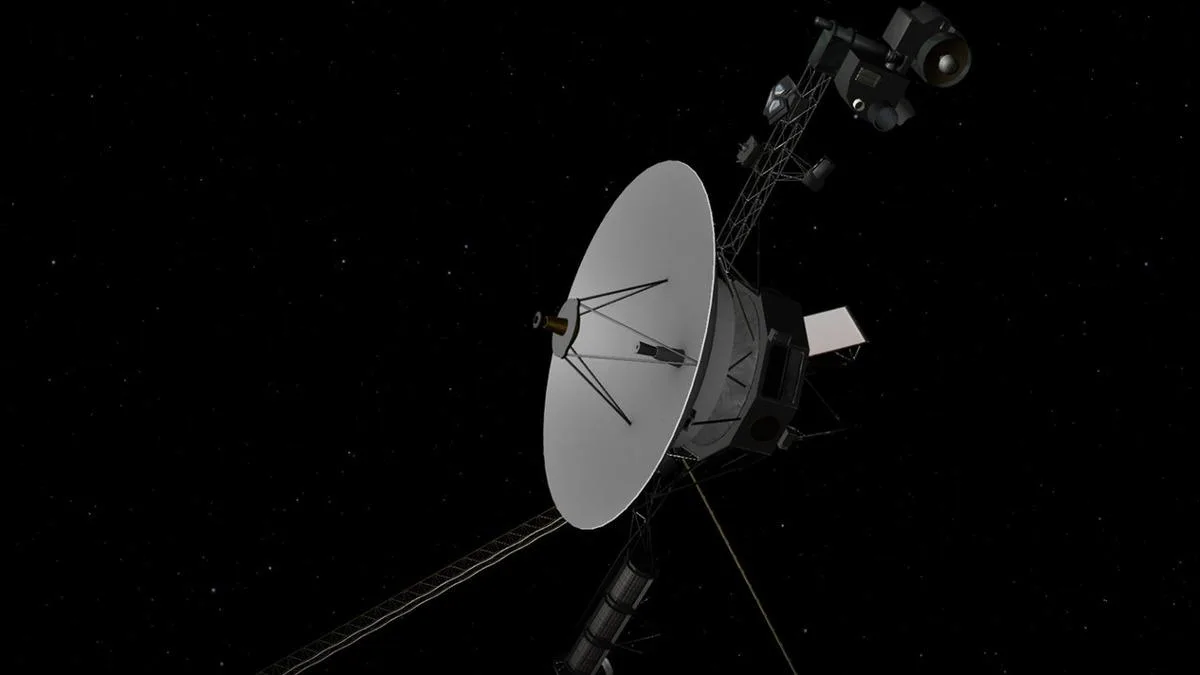

NASA's Voyager 1, launched in 1977, is closing in on a distance no human-made object has ever reached. As of November 18, the spacecraft will be roughly 26 billion kilometers from Earth — the distance light travels in a full day. A signal sent from that point takes 24 hours to arrive home.
Cruising at several kilometers per second, Voyager 1 has been flying for 49 years. Nothing built by human hands has ever traveled this far. Yet as the milestone approaches, the probe is battling fading power and a communications crisis that unfolded just last month.
Signal loss: 48 hours of tension
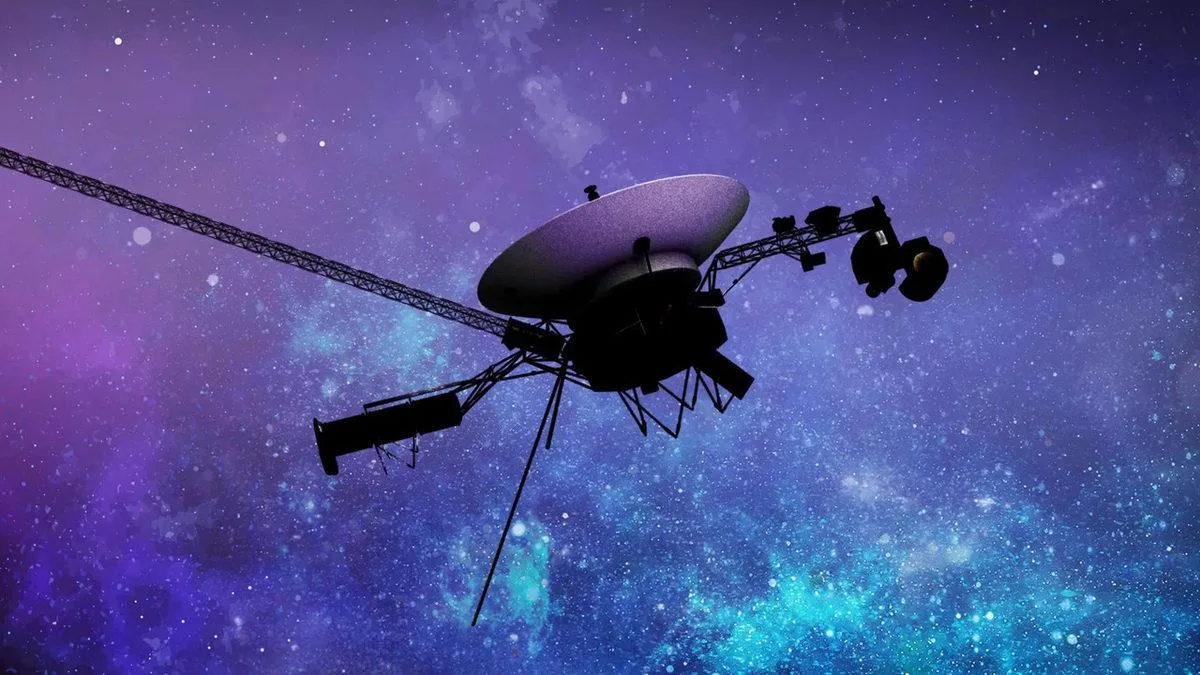
In October, teams suddenly lost the spacecraft's response. The unexplained blackout lasted a full two days, and NASA engineers had to wait it out while working to figure out what happened.
The rescue came from the spacecraft itself. Automatic safety systems switched on backup thrusters, and Voyager 1's voice returned.
A 23-watt signal across billions of kilometers
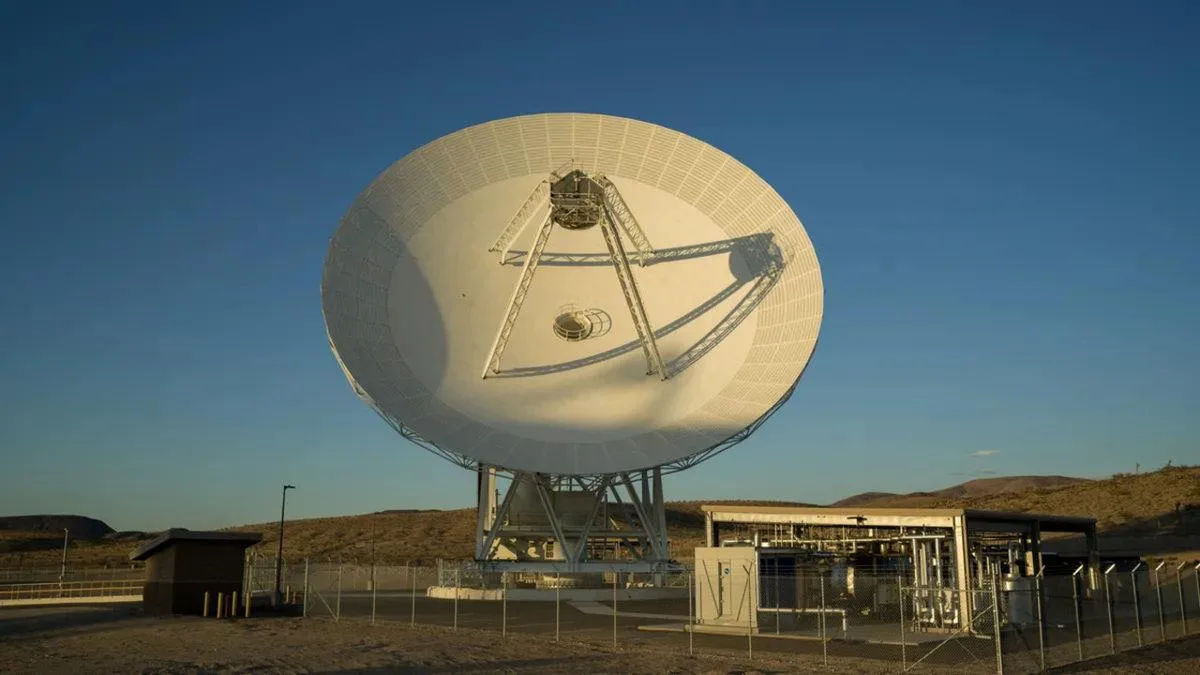
The radio transmitter Voyager 1 uses to send data home runs on astonishingly little power: 23 watts — roughly what a small refrigerator bulb consumes.
The hard part is not sending the signal but catching it. Without NASA's giant radio antennas, recovering the probe's data would be impossible.
Plutonium running out, systems powering down
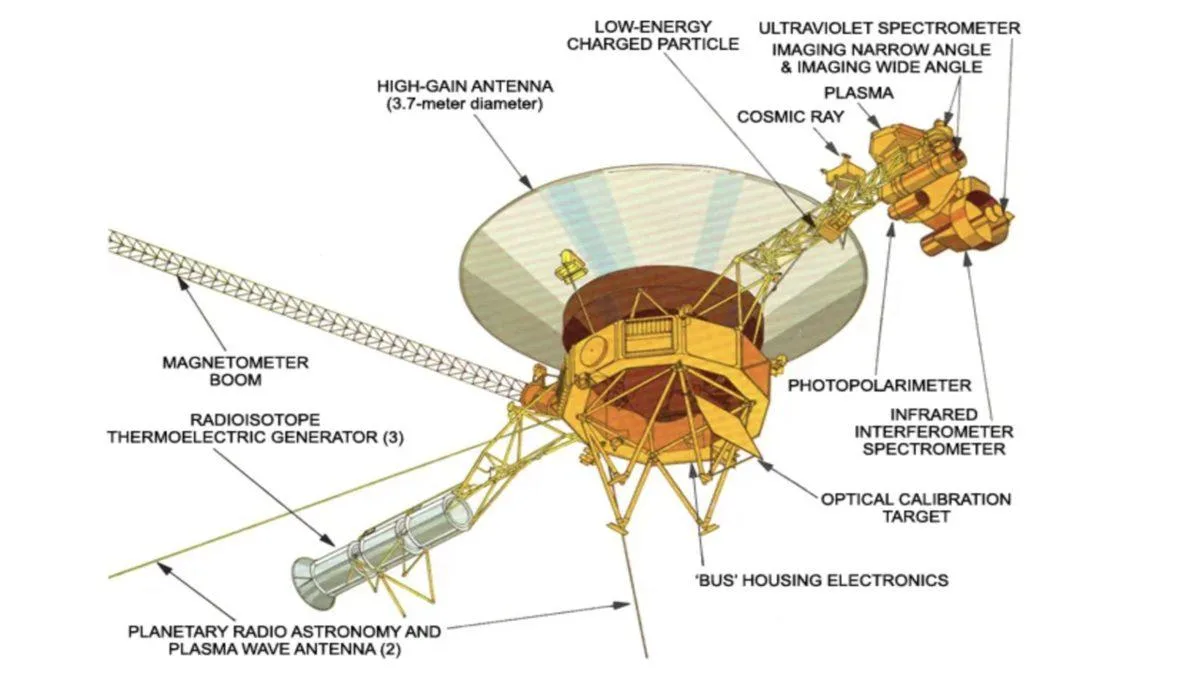
The spacecraft's plutonium-based power source is feeling its age, losing roughly 4 watts of capacity per year. Teams are shutting down every non-critical component to stretch Voyager 1's lifespan.
The latest move is a maneuver known as "Big Bang," swapping some instruments for lower-power equivalents and buying the spacecraft extra time.
Comments (0)
No comments yet. Be the first!